Highlights
Jun 12, 2020
Big Idea: Quantum Leap
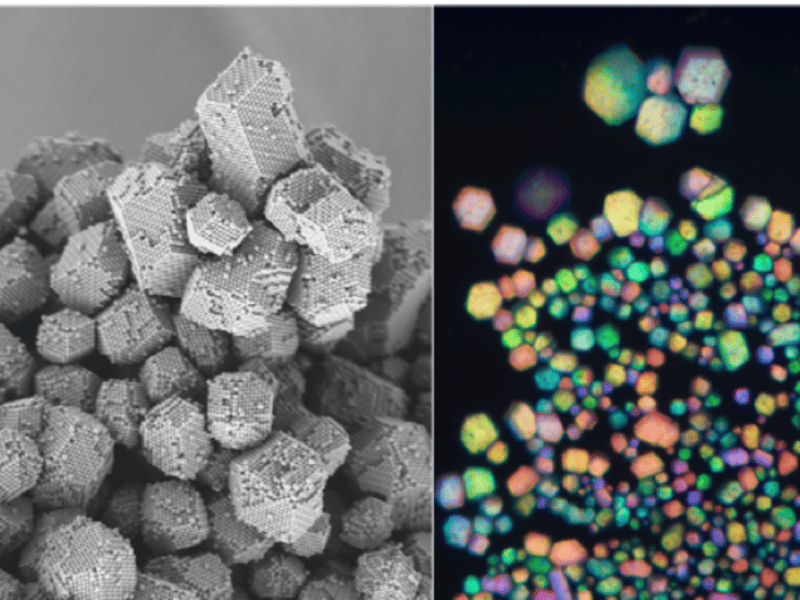
Test-Tube Gemstones
Stefano Sacanna, New York University
The research funded by this grant has enabled to develop a conceptually new approach to colloidal self-assembly that borrows no material from biology and entirely relies on the innate charge that any colloidal particle develops in water.
Jun 10, 2020
Big Idea: Understanding the Rules of Life
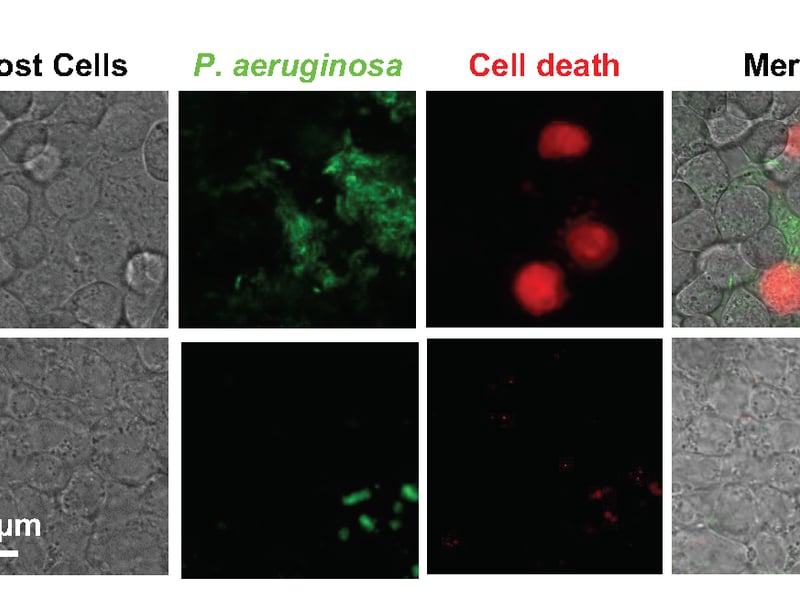
Mucin Glycans Regulate Microbial Virulence
Katharina Ribbeck
A slimy layer of mucus serves as the first line of defense against problematic microbes like the bacterial pathogen Pseudomonas aeruginosa. We have identified mucins, the major gel-forming components of mucus, and their complex sugar structures (glycans) as protective molecules that suppress microbial virulence traits including toxin secretion, bacterial communication, and surface attachment.
Jun 10, 2020
Big Idea: Quantum Leap
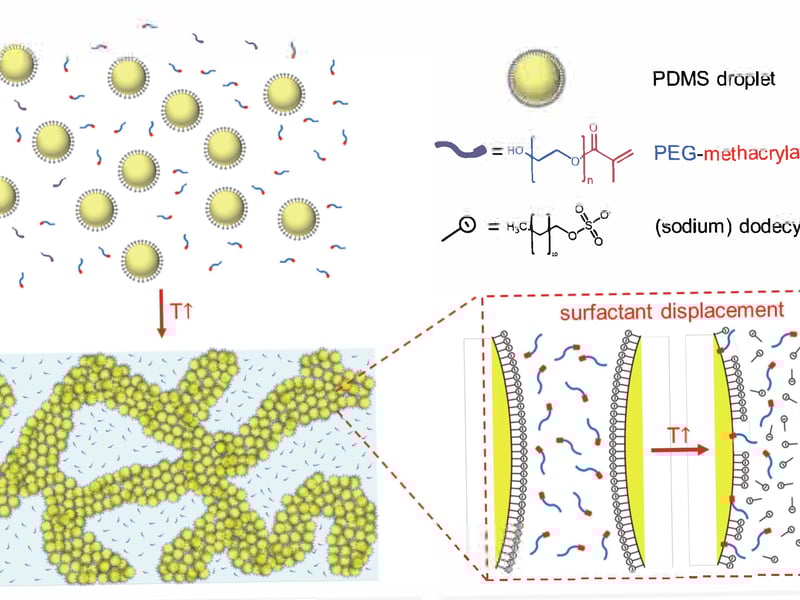
Thermally Induced Surfactant Displacement to Induce Colloidal Gelation
Patrick Doyle
Doyle has discovered a new way to thermally-induce gelation of nanoemulsions. They developed a platform wherein colloidal gelation is controlled by tuning repulsive interactions.
Jun 10, 2020
Big Idea: Quantum Leap
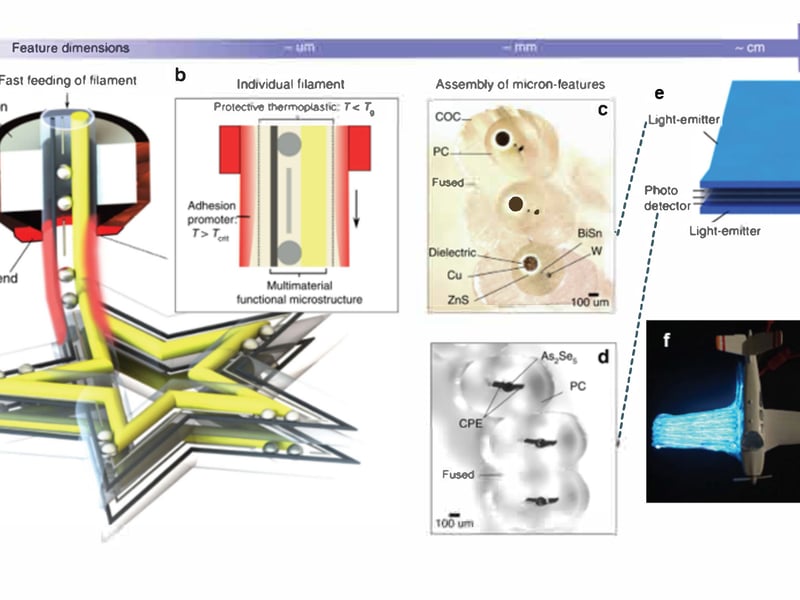
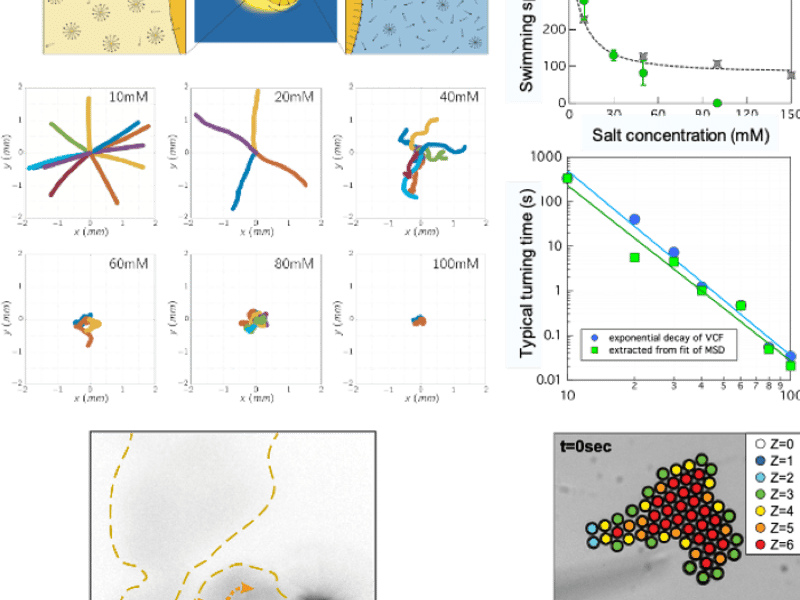
Tunable Persistent Random Walk in Swimming
A. Izzet, P. Moerman, P. Gross, J. Groenewold, A. D. Hollingsworth, J. Bibette, and J. Brujic, New York University
Here we explain the molecular engine of droplet motion that gives rise to their persistent random walk. This result allows us to tune their swimming speed and turning frequency over a range that is much broader than that of solid active particles.
Jun 10, 2020
Big Idea: Quantum Leap
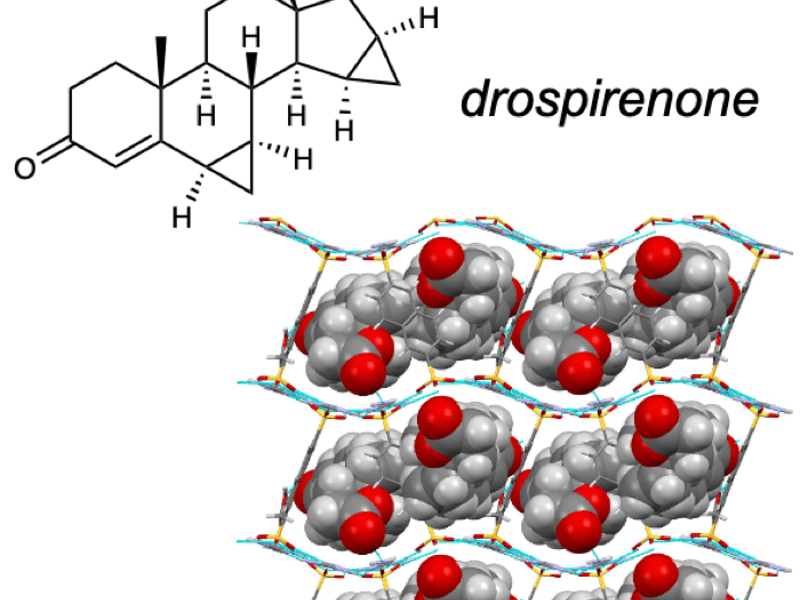
A hydrogen-bonded framework toolkit for molecular structure determination
Y. Li, S. Tang, A. Yusov, J. Rose, A. Borrfors, C. T. Hu, M. D. Ward
NSF MRSEC investigators reported that a versatile toolkit of guanidinium organosulfonate hydrogen-bonded host frameworks can form inclusion compounds with complex “stubborn” molecules that cannot be crystallized or form suitable single crystals for X-ray diffraction analysis by themselves, enabling determination of their molecular structure.
Jun 10, 2020
Massachusetts Institute of Technology
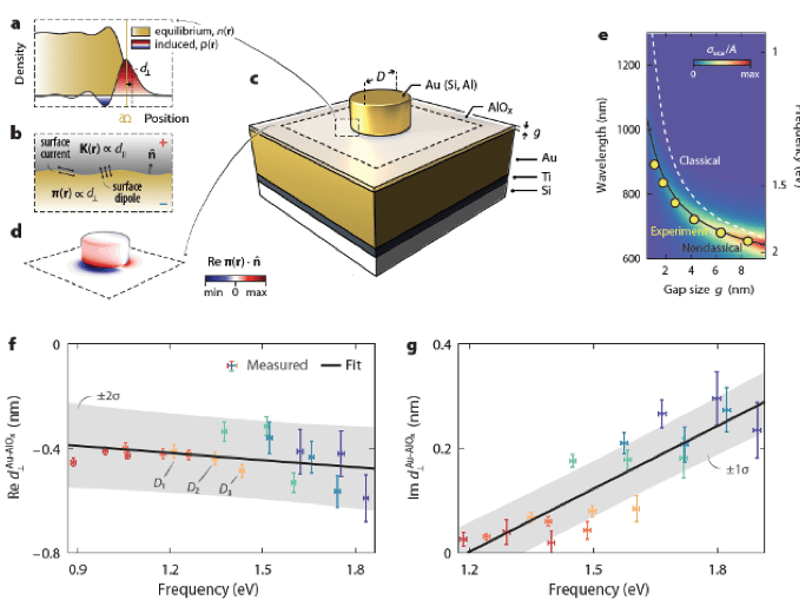
A general framework for nanoscale electromagnetism
John D. Joannopoulos and Marin Soljačić, Massachusetts Institute of Technology
The d parameters are a convenient parametrization for surface-related, quantum corrections. We establish a systematic approach to measure the d parameter dispersion of a general two-material interface.
Jun 10, 2020
Massachusetts Institute of Technology
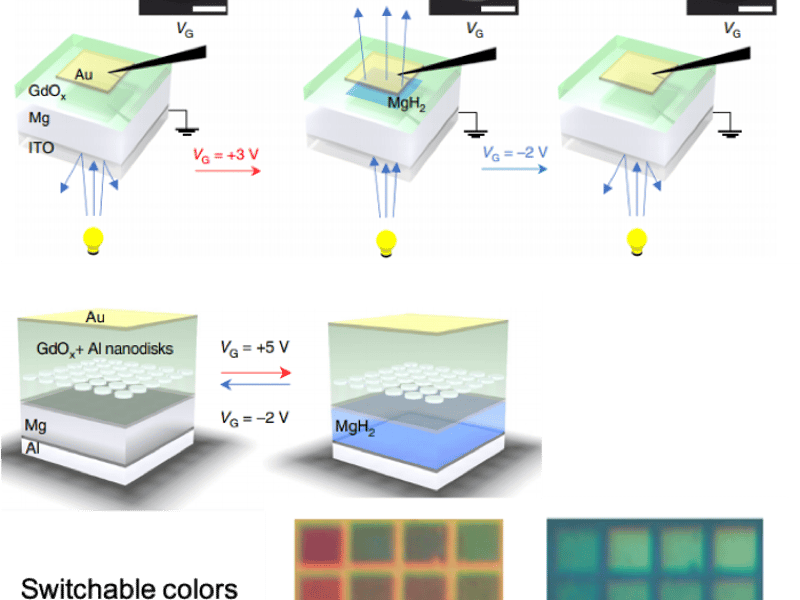
Voltage Control of Optical Properties by Ionic Gating
Geoffrey Beach, Massachusetts Institute of Technology
Using a simple device structure, it has been shown that electrical control of optical properties can be achieved through electrochemical hydrogen gating, sourced from moisture in the air.
Jun 9, 2020
Harvard University
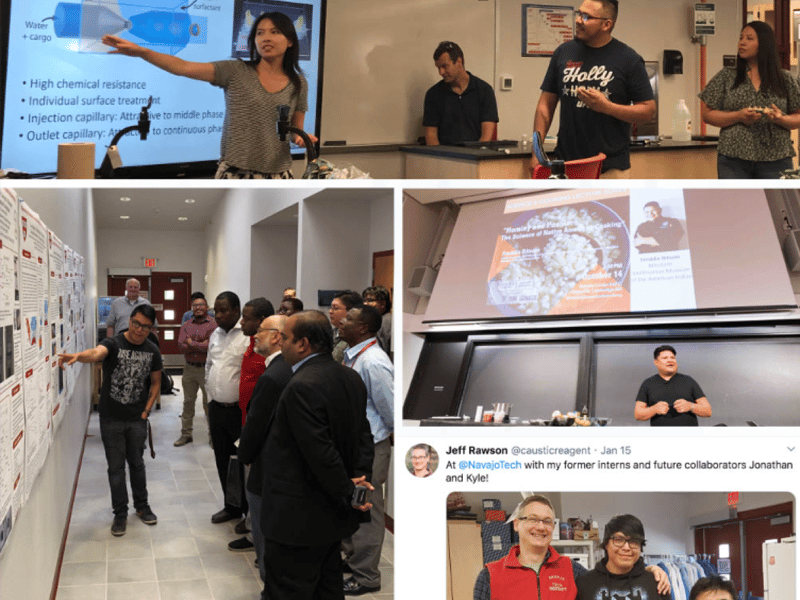
Building Enduring Pathways in STEM: Incorporating Traditional Ways of Knowing in Materials Research
David A. Weitz (Physics and AppPhy) and Thiagarajan Soundappan (Navajo Tech Univ, Chem)
This unique partnership between Navajo Technical University and the Harvard MRSEC builds enduring pathways for undergraduate Native American students into STEM by including traditional Navajo perspectives and methods of scientific inquiry in materials science research and education.
Jun 9, 2020
Harvard University
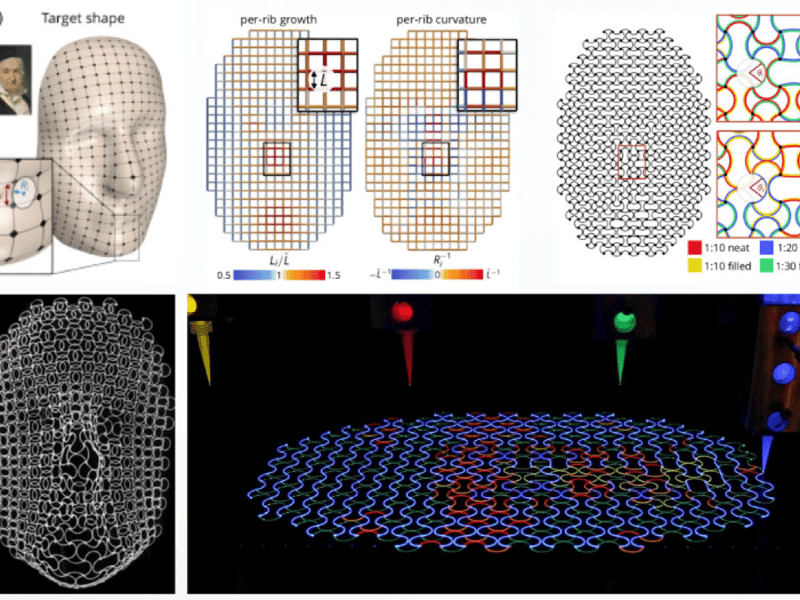
Shape-Shifting Lattices via Multimaterial 4D Printing
L. Mahadevan (Applied Math) & J.A. Lewis (MatSci & BioEng)
A team at the Harvard MRSEC led by Lakshminarayanan Mahadevan and Jennifer A. Lewis has created shape-shifting lattices by combining predictive design and multimaterial 4D printing.
Showing 311 to 320 of 1452